If you're hunting for a solid 6V power source that can handle tough jobs, the 4R25 battery really stands out. These big, square lantern batteries and those small ones like AA and AAA batteries are used in different electrical appliances. Procurement folks and B2B buyers pick them all the time because they perform reliably in rough industrial spots. Nobody wants to deal with constant swaps.
In this guide we’ll walk through the main specs, actual everyday uses, and smart tips for buying in bulk. Whether you supply tools for job sites, stock up on emergency gear, or equip lab instruments, knowing these batteries inside out helps you pick better and save headaches down the line.
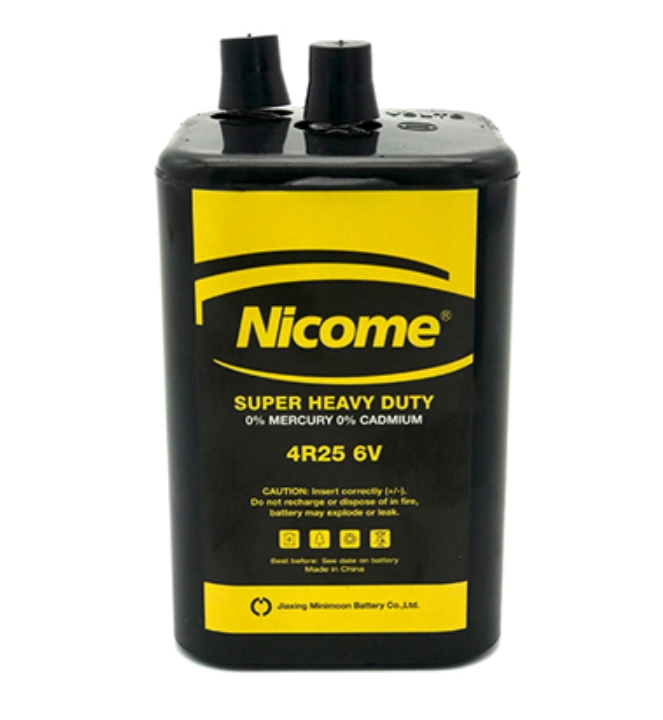
The 4R25 is that old-school 6-volt lantern battery everybody recognizes. It packs four 1.5V cells wired together inside a tough plastic case. The chemistry is plain zinc-manganese dioxide—usually the heavy-duty kind. Nothing fancy, no built-in recharge.
Size-wise, you’re looking at about 67mm by 67mm by 112mm. That’s roughly 2.6 by 2.6 by 4.4 inches. Easy to spot in a toolbox or equipment rack. Terminals are those coiled springs—one positive, one negative. They snap on quick and stay put.
Capacity normally sits between 9,000 and 11,000 mAh. Real-world numbers depend on how hard you’re pulling current. Under a steady 15-ohm load, plenty of them run 20 to 30 hours before the voltage dips too low. Store them cool and dry, and they’ll sit on the shelf two to three years without much drop-off.
These batteries aren’t flashy lithium tech. That’s actually their strength. Simple. Cheap. Built to take a beating.
Here’s a quick table that sums up the main specs you’ll run into on standard 4R25 units:
Specification | Typical Value | Notes |
Nominal Voltage | 6V | Series connection of four 1.5V cells |
Chemistry | Zinc-Manganese Dioxide (Zn/MnO₂) | Heavy-duty grade; mercury/cadmium-free |
Capacity | 9,000–11,000 mAh | Varies by load and manufacturer testing |
Dimensions (H x W x D) | ~112 x 67 x 67 mm | Standard lantern footprint |
Weight | 500–510 grams | Per battery; important for shipping costs |
Terminals | Coiled spring (positive/negative) | Secure snap-on connection |
Operating Temp | -10°C to 50°C | Best performance at room temp |
Shelf Life | 2–3 years | When stored properly |
Always pull the latest datasheet from whoever you’re buying from. Small differences show up between batches.
These batteries do great wherever you need steady, portable 6V juice and don’t want to mess with chargers. They go way beyond basic flashlights. Procurement teams order stacks of them for:
· Industrial Tools and Equipment — They run portable work lights, inspection lamps, handheld meters, and testing gear on construction sites. Crews working after dark hate it when lights start fading halfway through a job. A good 4R25 keeps everything bright and steady.
· Lanterns and Emergency Lighting — Think big camping lanterns, road-barricade flashers, warehouse backup lights. Out in remote spots or during power cuts, these things just keep shining—no flicker, no drama.
· Scientific Instruments — Field researchers slap them into data loggers, portable sensors, low-power lab setups. Voltage stays flat. That matters a lot. Even small drops can mess up measurements. The 4R25 avoids that problem.
· Other Heavy-Duty Needs — Rural game feeders, electric fence chargers, some older alarm panels. One buyer I heard about outfits entire seasonal hunting operations—dozens per season. Solid power means far fewer complaints later.
Bottom line: they beat taped-together AA packs for moderate-to-high drain jobs, and they cost way less than lithium throwaways when you’re using them up anyway.
Buying battery wholesale isn’t just about the lowest price tag. Shoddy cells fail early. That brings returns, angry customers, and lost time—expensive stuff for any business.
Go with companies that actually test hard. Voltage checks. Leak tests. Short-circuit protection. Random batch sampling. Many of them ship to thirty-plus countries without constant issues. They know export rules, safe packing methods, and how to handle paperwork.
Weight counts too. A carton of 24 usually lands around 14 kg. Packaging matters—shrink wraps for individuals, sturdy inner boxes, tough outer cartons. It all keeps batteries from getting banged up on the way.
Modern versions skip mercury and meet worldwide environmental rules. You still get the strong performance needed for rough work.
Here are the practical moves smart procurement people use to score good deals and reliable stock:
· Compare Capacity Under Real Loads — Request discharge curves that match your typical use—say, 50–100 mA draw. Headline mAh figures can trick you.
· Check Packaging Options — Singles in shrink, retail blisters, or plain bulk cartons. Strong packing cuts damage claims.
· Negotiate MOQs and Lead Times — Good suppliers let you start small to try them out, then ramp up fast.
· Verify Certifications — RoHS, safety marks, ISO stuff. It lowers your risk big time.
· Factor Total Cost — Add freight, duties, and how long they really last on the shelf. Paying a bit more per unit often saves money later—no failures, no rush re-orders.
· Test Samples First — Run a handful in your actual gear before you sign for thousands.
A supplier that answers questions fast and backs their product makes life easier.
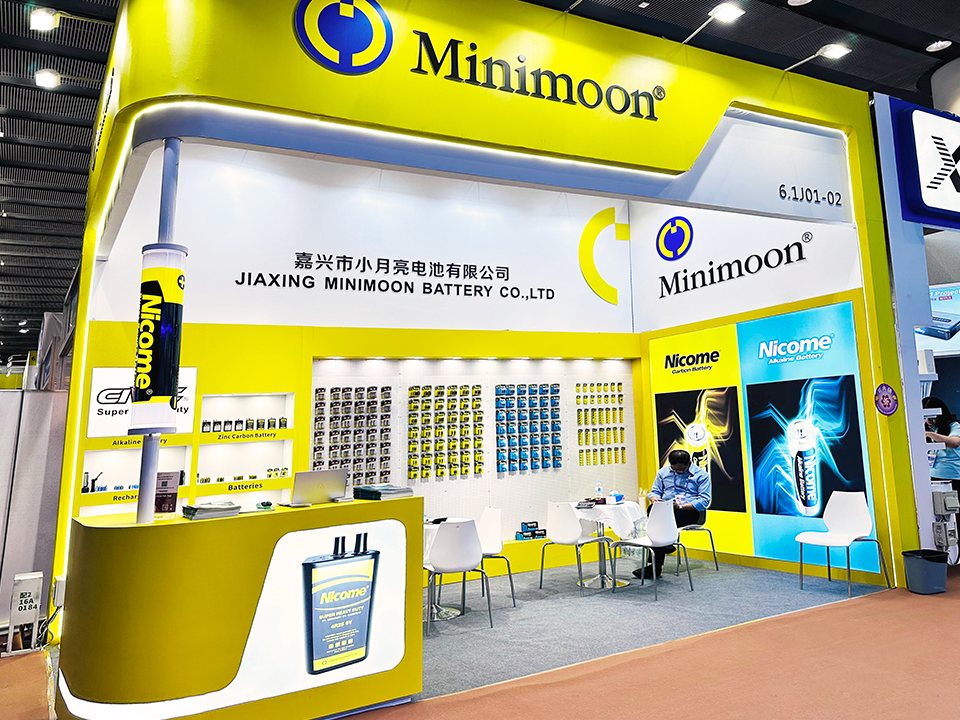
Jiaxing Minimoon Battery Co., Ltd. focuses strictly on mercury-free zinc-manganese batteries. They run a big 39,000-square-meter plant in Zhejiang province. The setup uses modern machines and tight quality checks so every batch performs the same.
Minimoon turns out carbon zinc and alkaline lines, including the 4R25 6V lantern style. They’ve shipped to more than 30 countries—across the Americas, Europe, the Middle East, Southeast Asia, and Africa. Their testing catches problems early. That consistent output is exactly what industrial buyers and procurement teams count on.
The 4R25 6V battery stays a straightforward, dependable choice for tough spots. Its sturdy build, even voltage, and fair price make it perfect for industrial tools, lanterns, scientific gear, and plenty more. Team up with a supplier that cares about quality and knows export inside out. You’ll get batches that work right every time.
For B2B folks searching for trustworthy battery wholesale sources, sticking to proven specs and solid manufacturing pays off. Less downtime. Better value overall.
What is the typical capacity of a 4R25 6V battery?
Most run 9,000 to 11,000 mAh. Under average loads you usually get 20 to 30 hours of solid runtime—plenty for lanterns or job-site tools.
Where are 4R25 6V batteries commonly used in industrial settings?
They power portable inspection lights, emergency lanterns, road flashers, and field scientific instruments. The steady 6V keeps gear running smooth without constant battery changes.
How should I store bulk 4R25 batteries to maximize shelf life?
Stick them in a cool, dry spot away from heat and moisture. Done right, they hold two to three years easy—ready for seasonal work or surprise outages.
What should I look for when buying 4R25 batteries wholesale?
Pay attention to steady quality checks, mercury-free makeup, clear specs, and real export experience. A dependable supplier gives you test data, smart packaging choices, and quick answers so big orders go smoothly.
Are 4R25 6V batteries suitable for high-drain devices?
They handle moderate to pretty heavy drain much better than smaller cells. That makes them great for lanterns, flashers, or tools. For super-heavy loads, ask your supplier for the discharge curve.


 Carbon Zinc Battery