Picture this: Your latest shipment of portable electronics rolls out the door. Customers love the sleek design and solid features. Then the emails start pouring in. Batteries leaking inside devices. Devices failing after just a few months on the shelf. Returns piling up. Your team scrambles to fix the mess, but the damage to your reputation is already done.
As a procurement manager or exporter sourcing components for electronics manufacturers, you’ve probably seen it. That tempting low price on batteries looks like a win for margins—until it isn’t. The real hit comes later, in the form of product failures, unhappy clients, and lost repeat business.
This isn’t just bad luck. It’s the hidden cost of settling for anything less than a true best battery supplier. Today we’re breaking down exactly where those costs hide: in leakage risks, short shelf life, and the quiet erosion of brand trust. And we’ll show how the right technical choices turn those headaches into real savings.
Bargain batteries usually skip steps in materials or assembly. For buyers like you who build items from remote controls to medical tools or everyday gadgets, those skips appear quickly in daily use.
Leakage stands out as the clearest troublemaker. Weak seals let the liquid inside escape. It eats away at contacts and wrecks the whole device. One electronics maker traced a 12 percent return spike straight to one low-price batch. Their buyers did not just feel annoyed. They shared pictures online. Negative feedback spread fast. All of a sudden, an entire product line looked shaky.
Storage life makes things worse. Many low-cost choices begin to fade right after they leave the plant. Damp air, heat changes on ships, or even plain warehouse time can slash usable months in half. Your stock sits longer than you planned. By the time it reaches the customer, the power has already slipped away.
These issues are not vague worries. They touch your cash flow directly. Warranty claims rise. You pay for rushed replacements. Marketing money goes toward fixing trust instead of chasing new growth.
Let’s talk plainly about how leakage starts. In zinc-manganese batteries, the liquid electrolyte acts strong. If the seal fails even a little, gas pressure builds during normal use or simple sitting. Cheaper versions often depend on basic crimps or thin plastic shells. These crack under pressure pretty easily.
The outcome? Acid slips out. It damages device cases and creates short circuits. In some consumer items, it even raises safety flags. Exporters who send goods to humid spots in Southeast Asia or parts of Europe watch this risk grow fast.
A better method flips the script. Strong anti-leakage steps use several layers of gaskets plus tough steel cans. These hold firm even after years on the shelf. They form the clear line between a device that lasts its full expected time and one that quits early.
Here are a few real costs leakage brings to your daily work:
· Direct returns jump 8 to 15 percent for any affected item
· Production lines stop while teams hunt down battery-linked faults
· Customer loyalty drops because one bad experience can kill a valuable distributor tie worth thousands yearly
Shelf life sounds simple—how long until the battery is dead on arrival. But for B2B buyers, it’s about predictability. You need batteries that sit in your warehouse, travel across oceans, and still deliver full performance when the end customer installs them.
Low-cost options often quote optimistic shelf life on paper but deliver far less in real conditions. Heat during transit or inconsistent manufacturing means self-discharge rates climb quickly. A battery that loses 20–30% capacity in a year leaves your devices underperforming right out of the box.
Contrast that with a supplier focused on low self-discharge technology. These batteries hold onto 90%+ of their capacity after two years of storage. The secret lies in optimized electrolytes and separators that slow chemical reactions without sacrificing power output.
Here’s a quick comparison table to illustrate the difference in real-world scenarios:
Factor | Typical Low-Cost Battery | Premium Quality Battery |
Shelf Life (room temp) | 1–2 years | 5–10 years |
Self-Discharge Rate | 15–25% per year | Under 5% per year |
Leakage Incidence | Common after 6 months | Near zero even after 3 years |
Impact on Your Returns | High (10%+) | Minimal (<2%) |
Numbers like these come from actual production data and field testing. They matter because every percentage point of self-discharge saved is money you don’t spend replacing stock or fielding complaints.
Your company’s name is on the line with every product that ships. When batteries leak or die early, customers don’t blame “the battery supplier.” They blame your device. Online reviews mention your brand, not the hidden component.
We’ve seen it play out: A promising new gadget line gains traction on Amazon and trade shows, only to see star ratings drop from 4.8 to 3.2 after a bad battery batch. Recovery takes months and real dollars in marketing fixes.
Choosing a best battery supplier isn’t about paying more upfront. It’s about protecting the equity you’ve built in your own brand. Reliable power becomes an invisible advantage—your devices just work longer and better than the competition’s.
This is where it gets practical. The best battery supplier invests in mercury-free zinc-manganese chemistry done right. No heavy metals means compliance with global regs, but the real win is in performance.
Advanced anti-leakage tech uses precision-engineered seals and high-purity materials that eliminate the weak points cheap suppliers leave exposed. Low self-discharge rates come from refined electrolytes that stay stable across temperature swings—perfect for global supply chains.
These specs aren’t extras. They translate directly to fewer defects, longer warranties you can actually honor, and happier downstream customers. When you calculate total cost of ownership, the math flips: a slightly higher per-unit price often saves 20–40% overall once you factor in reduced returns, lower inventory turnover, and stronger brand loyalty.
Real example: One OEM switched suppliers after repeated leakage issues. Within six months, their return rate dropped by more than half, and they freed up warehouse space because the new batteries didn’t need frequent rotation. That’s the kind of operational breathing room that lets you focus on innovation instead of damage control.
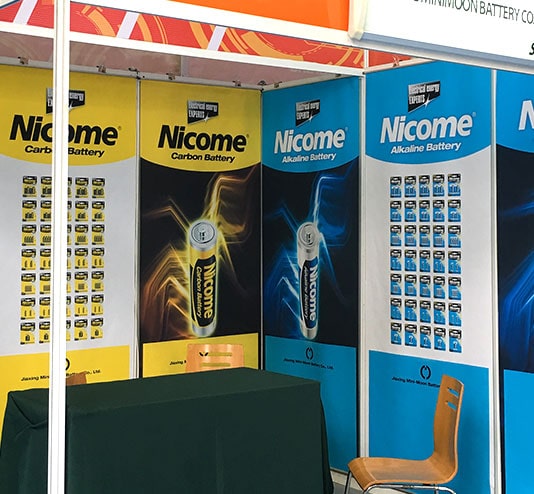
Jiaxing Minimoon Battery Co., Ltd. stands out as a leading manufacturer in China specialized in developing, producing, and marketing mercury-free zinc-manganese batteries. Located in the Nanhu Economic Zone in Jiaxing, Zhejiang, their 39,000-square-meter facility runs with advanced equipment and a strict quality-control system that keeps every batch consistent.
They offer carbon zinc, alkaline, and button cell lines—all engineered for the reliability B2B buyers need. Products ship to more than 30 countries across the Americas, Europe, the Middle East, Southeast Asia, and Africa. For electronics manufacturers and exporters, this means a steady supply of stable, high-performance batteries that align with modern environmental standards and demanding device requirements.
The hidden costs of “cheap” batteries—leakage that ruins devices, shelf life that falls short, and reputation damage that lingers—add up faster than most spreadsheets predict. For B2B buyers in electronics manufacturing and export, these aren’t minor annoyances. They’re threats to profitability and long-term growth.
The smartest move isn’t chasing the lowest sticker price. It’s partnering with a best battery supplier that builds quality into every cell. When anti-leakage processes and low self-discharge rates become standard, your products perform better, your customers stay happier, and your bottom line improves. The difference shows up where it matters most: in fewer headaches and more repeat business.
What makes a supplier the best battery supplier for electronics manufacturers?
It boils down to results you can trust every time. The best battery supplier delivers mercury-free zinc-manganese batteries with solid anti-leakage seals and low self-discharge rates. Those features keep performance high even after long waits in storage. They protect your devices and your brand without unexpected extra costs later.
How do low self-discharge rates actually save money for exporters?
Batteries that hold their charge longer cut waste in your inventory. They also reduce failures once products reach customers. A best battery supplier that keeps self-discharge under 5 percent a year can drop your replacement needs and return handling by noticeable amounts. What looks like a small spec turns into real protection for your margins on every shipment.
Can switching to a quality supplier really lower leakage risks on humid shipping routes?
Yes, it can. Advanced anti-leakage technology handles heat and moisture swings that break down cheaper options. Makers who made the change often see almost no leakage reports even after long sea trips. That kind of reliability is exactly what business buyers want when goods travel far to reach users.
Is the higher upfront cost of choosing the best battery supplier worth it for smaller production runs?
It usually is. Total ownership costs drop fairly quickly. Fewer defects mean you avoid expensive rework and warranty payouts that hit small batches hardest. Many companies notice the savings appear within the first few months after they switch.
What should procurement teams ask a potential best battery supplier before they place an order?
Ask for real numbers on shelf life under your usual storage conditions. Request leakage test results and records that show they meet export rules. The strongest partners share these details freely. Their zinc-manganese batteries are built to deliver strong performance, not just hit a rock-bottom price.


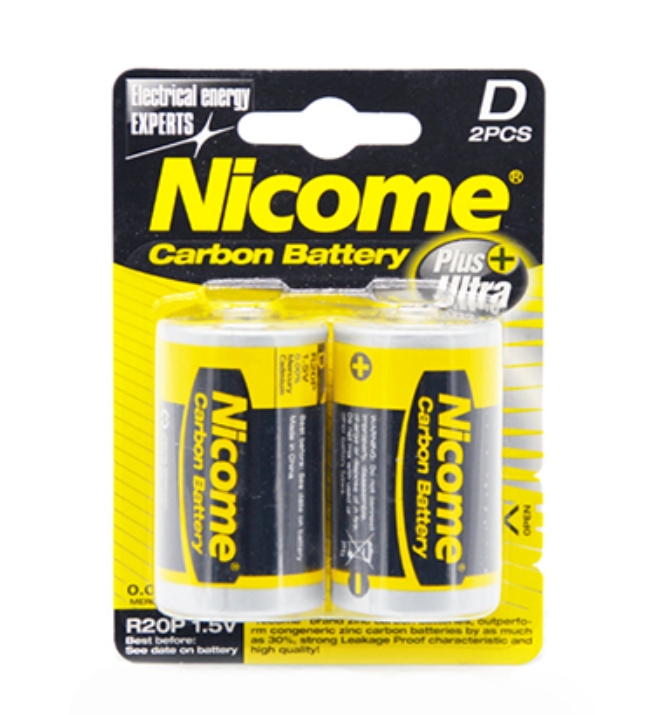
 Carbon Zinc Battery