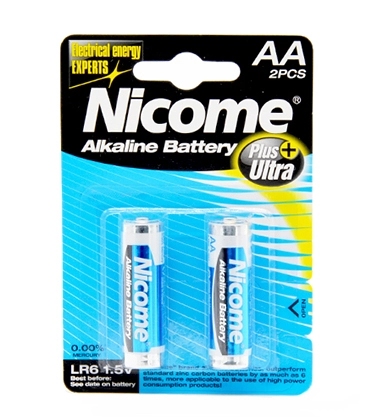
Walk into any store aisle these days. You will notice a quiet change happening with everyday power sources. Shoppers pick up packs of alkaline AAA batteries for their remotes, toys, or wireless mice. Then they turn the pack over to read the small print. No mercury. This is not just a nice extra anymore. It has become something every serious brand needs to have.
Rules from government groups and regular buyers push hard for cleaner choices. The EU Battery Regulation makes it very clear. Portable batteries must not contain more than 0.0005% mercury by weight. Similar rules grow tighter in other places too. Brands that wait too long face real trouble with compliance, negative stories in the news, or even lost spots on store shelves. On the other hand, companies that make the change early get to share a much stronger story about caring for the planet. And that story actually connects with people who buy.
Picture yourself at a brand manager's desk. You prepare to launch a fresh line of smart home gadgets or green children's toys. Your customers, especially younger ones in Europe and North America, look carefully for eco-friendly claims before they click buy. Recent consumer studies show more than 60% of shoppers say they would pay extra for items backed by real low-impact parts. Batteries often stay hidden in the supply chain. Yet they draw attention fast when a regulator or activist group points them out.
Older formulas that added mercury worked okay for shelf life in the past. But they came with a hidden cost. Mercury stays around in landfills and water. Even small amounts build up when you multiply them by millions of units. That is exactly why the EU set such a low limit. It is also why smart companies now go completely mercury-free instead of staying close to the edge.
Buyer demand makes this even stronger. Parents do not want heavy metals near their kids' toys. Office teams that stock break rooms like to talk about their zero-waste efforts. Big retail buyers now request clear proof of green standards before they sign any order. One small mistake, and you spend time explaining things in a meeting that could have been easy.
Alkaline AAA batteries do a lot of heavy lifting in daily life. They power all kinds of things, from TV remotes and kitchen scales to portable speakers and medical tools. High-drain gadgets especially like them. These batteries keep a steady voltage longer than basic carbon-zinc kinds.
In the past, some alkaline formulas used tiny traces of mercury to help control performance and stop leaks. Today's mercury-free versions leave that out completely. They depend instead on improved zinc-manganese chemistry and stricter factory controls. The outcome is steady power without the old environmental worries.
Performance has not suffered. Many modern mercury-free alkaline AAA options actually give 20-30% longer running time in everyday devices than the mercury versions from ten years back. They also resist leaks better. That means fewer upset calls from customers about damaged gadgets.
Making the switch goes beyond just meeting a rule. It changes how your products work in real situations and how customers see your brand.
· Longer and steadier power: Mercury-free alkaline AAA cells hold their voltage well throughout their life. You end up changing batteries less often during a work task or family game night.
· Lower chance of leaks: Better separators and electrolyte mixes keep everything inside, even if a device sits unused for months.
· Simpler handling at the end: Without mercury, recycling stays cleaner. Collection programs in Europe report higher recovery rates for packs that are truly mercury-free.
· Better story for marketing: Your package can proudly show "mercury-free" next to other green features. Shoppers notice these details. Retail partners appreciate them for their own reports on environmental goals.
One maker of electronics accessories changed suppliers last year. Their rate of customer returns for battery problems fell noticeably. Their sustainability page now includes a clear timeline of the move. Sales in European markets grew without spending more on ads.
Not every factory can produce at large scale and still meet tight mercury-free rules. Smart sustainable brands look past simple price quotes. They search for partners who see compliance as the starting point and keep pushing on quality and steady output.
Several things stand out as important:
· Modern production lines that remove mercury right from the start of the formula, not as a late fix.
· Careful testing inside the factory for heavy metals, shelf life, and how the battery discharges.
· Ability to handle private-label orders with custom packaging that supports your brand's clean image.
· A solid history of sending goods to strict markets without problems.
Flexibility with order sizes counts too. Whether you need 50,000 units for a seasonal push or millions as your product line expands, the supplier must deliver on schedule without drops in quality.
The EU Battery Regulation will not disappear. In fact, it grows more detailed. From August 2026, clearer labeling rules start. Batteries need visible information on type, capacity, and any restricted substances, with mercury clearly not present in compliant items. The CE mark becomes essential for selling in the market.
Brands that already work with suppliers deep into mercury-free methods avoid sudden rushes. They skip expensive last-minute reformulations or delays at customs. Even better, they place themselves ahead as rules may expand to other materials or higher recycling goals in future years.
Buyer demand matches these rules well. People now expect products to fit their values without forcing them to hunt through tiny text. A dependable alkaline AAA supplier that can prove zero mercury content helps close that gap nicely.
Timing plays a big role. Companies that move early gain an advantage in telling their story. One home goods brand changed its full battery supply in recent months. Their marketing team turned the update into a campaign about power that does not harm the planet. Engagement on social media rose, and several store partners included the line in their green collections.
Price is no longer the big obstacle it used to be. Mercury-free alkaline AAA production has grown more mature. Larger scale at good factories keeps costs reasonable while performance edges higher. The true return shows in stronger brand trust, fewer rule worries, and smoother talks with careful buyers.
Business buyers who focus on sustainability reports find things easier when their battery partner already follows those standards every day.
Jiaxing Minimoon Battery Co., Ltd. stands out as a focused company in this field. It operates from a 39,000-square-meter plant in the Nanhu Economic Zone of Jiaxing, Zhejiang province. The firm specializes in developing, producing, and marketing mercury-free zinc-manganese batteries. Their range includes carbon zinc and alkaline types, popular AAA sizes, button cells, and flashlights.
What makes them different is their complete focus on mercury-free methods from the very beginning. They use up-to-date equipment, strict quality checks, and steady improvements in their processes. These steps help create stable, high-performing batteries that satisfy current strict standards. Their products reach more than 30 countries in the Americas, Europe, the Middle East, Southeast Asia, and Africa. These are places where rules get serious attention.
For business-to-business clients, Minimoon supplies the kind of clean credentials that make later marketing much simpler. Brands can refer to a partner who made mercury-free production a main strength instead of just a quick fix. That kind of trust travels well when you present to stores or update your own product stories.
The move away from mercury is not a short trend. It has become the new standard for any brand that wants to last in the market. Rules like the EU Battery Regulation, along with shopper expectations, create a clear direction. Pick suppliers that give clean, dependable power without cutting corners.
Brands that take action now build strength and stand out from others. They turn a simple part into part of a convincing story about caring for the environment. That story reaches from the factory floor all the way to the store shelf.
Jiaxing Minimoon Battery Co., Ltd. shows this forward way of working. With their special attention to mercury-free zinc-manganese batteries and real experience serving worldwide markets, they help clients meet both performance needs and clean expectations.
Ready to give your products power you can trust? Looking into options with a dedicated alkaline battery partner might be the easiest step toward better environmental proof and more satisfied customers.
Mercury-free versions use improved zinc-manganese chemistry and updated factory methods. They reach steady performance without adding mercury. These batteries usually provide solid shelf life and consistent power. At the same time, they remove worries tied to heavy metals.
The regulation keeps mercury to no more than 0.0005% by weight in portable batteries. It also adds labeling needs and CE marking requirements that begin in 2026. Suppliers who have fully adopted mercury-free production help brands stay on the right side of the rules without hurried adjustments.
In most situations, the change keeps results the same or makes them better. Current mercury-free alkaline AAA batteries often show strong protection against leaks and reliable run time in common devices like remotes and toys. The secret lies in choosing a factory that watches quality closely at every stage.
These credentials give you strong material for your own marketing and environmental reports. When your alkaline battery factory partner builds mercury-free technology into their main process, it simplifies following rules. It also lets you highlight real sustainability without concerns about empty claims.
Ask about their mercury-free production steps, testing methods for heavy metals, experience exporting to strict markets, and ability to handle custom order sizes with steady quality. Real examples of performance numbers and feedback from other clients help tell capable suppliers apart from the rest.


 Carbon Zinc Battery