Picture this. You seal a solid deal with a retailer in Germany. The batteries show up right on schedule. They look okay in the boxes. So you send them straight out to the stores. Then the phone starts ringing. Devices quit after just a few days. Some leak and wreck pricey gadgets. A couple even swell up and raise safety flags. All of a sudden your good name takes a beating. Returns stack up fast. You scramble to calm down your customer.
For guys like you who move goods around the world, fake batteries pose a real headache. They sneak in quietly and chip away at your profits and your trust. The bottom line stays simple. You need a reliable battery supplier more than ever these days. This guide lays it out plain. We'll cover how the fakes slip into the chain, what they look like when they land in your warehouse, and the straightforward moves you can make to shield your business. No fancy talk, just useful stuff.
Fake batteries spread easily. Demand stays huge everywhere. At the same time, it feels simple for shady operators to jump in. Distributors hunt for stock on all kinds of platforms. They deal with middlemen and grab quick offers at shows. Not every source keeps full control over the making process. A phony unit might cut corners on materials. It could skip tight seals or dodge basic safety rules. In the end you get cells that heat up too much, leak messy fluid, or just die way too soon.
Think about a typical mess many importers run into. A distributor based in Southeast Asia brought in a full container of C-size batteries meant for power tools. The numbers on paper seemed fine. Once they hit real use though, half the pack flopped in basic tests. They only lasted about 100 minutes under load instead of holding strong much longer. The seller disappeared when questions came up. That left the distributor staring at fifteen thousand dollars in losses and a strained tie with their top client. Scenes like this pop up every month in the Americas, across Europe, and through the Middle East. The money lost hurts plenty. Yet the bigger sting comes when your own brand takes the blame for someone else's sloppy work.
Real batteries show their solid build right away. Copies try hard to mimic the outside but usually trip on small things. Keep your eyes peeled for these clues in every load that arrives.
· Issues with the packaging: Print looks fuzzy. Logos sit off center. Fonts don't quite match. Good labels carry clear batch numbers, use-by dates, and exact details on how they were made.
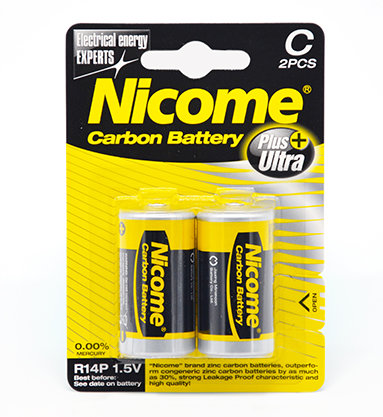
· Weight and how they feel: A solid C-size battery such as the R14P keeps a steady heft and feels firm in your hand. Fakes often come in lighter or show uneven edges where they were sealed.
· Label details: Some miss proper safety marks. Others make hazy claims about voltage or leave out any note on being mercury-free.
· How performance falls off: Quick checks reveal the truth fast. Run them on a standard 3.9Ω load for 24 hours a day. A decent zinc-manganese battery keeps going steady down to 0.9V for roughly 280 minutes or even better. Copies usually crash early.
Here's a handy tip straight from the trenches. Grab random samples from different pallets. Then run them head-to-head against a unit you already trust. One importer caught a bad batch this way before anything left the building. That quick move saved them from a full recall nightmare.
Use this straightforward table when you check incoming stock. It makes the differences jump out clearly.
Feature | Genuine Battery Example | Typical Counterfeit Warning Signs |
Discharge Time (C-size, 3.9Ω load) | ~280 minutes to 0.9V | Drops below 150 minutes |
Packaging | Crisp print, exact batch code | Blurry text, missing or fake codes |
Weight Consistency | Uniform across batch | Noticeable variation between units |
Safety Claims | Clearly states mercury-free | Vague or absent mercury-free labeling |
Shelf Life | Stable performance after 2+ years storage | Rapid voltage drop after short storage |
Safety always leads the list. A battery that leaks can ruin gear, kick off fires, or cause nasty chemical burns. Rules in Europe and the United States keep tightening on imports that don't measure up. Your shipment might sit stuck at customs. In worse cases, stores yank your products off the shelves.
On the money side the damage hits quick. Returns chew up your margin in a hurry. One rotten load can rack up thousands in shipping back, extra tests, and replacement stock. Then the longer fallout kicks in. You lose repeat orders. Bad reviews spread online. You burn hours trying to win back confidence. Distributors who get stung once often hunt for new sources right away. The smart ones who stay ahead treat every container as if it could sink their business if something slips through.
You don't need a high-tech lab to stay safe. Stick to these steps every single time.
· Ask for complete traceability papers. Request batch records, material proofs, and logs from the line. A real direct factory hands them over without any pushback.
· Run solid sample tests. Use the discharge check we mentioned. Put at least ten pieces from each shipment through it.
· Tour the source if you can. Set up a factory visit or ask for live video walks around the production floor.
· Review certifications and past exports. Look for steady shipments to many different regions and solid proof of tight quality checks.
· Team up with direct makers when possible. Cut out extra hands in the chain. A solid reliable battery supplier that runs its own lines removes the biggest weak spot.
These ideas aren't just theory. Distributors who follow them see fewer headaches and enjoy stronger loyalty from their clients.
Before you finalize your next sourcing decision, take a moment to consider what a true direct factory brings to the table. Jiaxing Minimoon Battery Co., Ltd. stands out as a leading manufacturer in China specialized in developing, producing, and marketing mercury-free zinc-manganese batteries. Their 39,000-square-meter facility in Nanhu Economic Zone, Jiaxing, Zhejiang Province, runs on advanced equipment and a tight quality control system that covers everything from raw material selection to final packaging.
They produce carbon zinc batteries, alkaline batteries, button cells, and even flashlights—each one built for stable performance and zero mercury content. With exports reaching over 30 countries across the Americas, Europe, the Middle East, Southeast Asia, and Africa, Minimoon has proven it can meet the demands of serious global distributors. Their traceable manufacturing process and direct factory status mean you get consistent quality, clear documentation, and the peace of mind that comes from dealing straight with the source.
Steering clear of counterfeit batteries doesn't come down to chance. It grows from solid systems, careful checks, and picking partners who care about the same basics you do—safe performance, steady supply, and a name you can stand behind for years. Spot the warning signs early. Test every incoming load without fail. Source from makers who keep full command over their lines. In doing so you guard your customers, your profits, and your hard-earned brand. The market ends up favoring distributors who refuse to take shortcuts. When you link up with a reliable battery supplier that backs everything with real traceability and factory-direct standards, you flip a potential mess into a real advantage that sets you apart.
What actually makes a battery supplier "reliable" in the market right now?
A reliable battery supplier keeps tight control over its whole manufacturing process. It offers full traceability for every single batch. And it delivers consistent results like the roughly 280-minute discharge on C-size units under everyday loads. You get mercury-free zinc-manganese batteries that work the same way month after month, backed by clear records and no nasty surprises.
How can I confirm that batteries from Minimoon are the real deal and safe enough for my channels?
Look over the packaging for sharp printing and accurate batch codes. Then carry out a simple discharge test. Genuine Minimoon R14P models or similar ones supply steady power all the way to the 0.9V point without quitting ahead of time. Their direct factory setup and traceable manufacturing give you verifiable quality details every time.
Why do global distributors need to pay special attention to mercury-free zinc-manganese batteries?
These batteries line up with tough international safety standards. They lower risks to the environment. Plus they provide dependable energy in all sorts of items from toys to tools. Fake versions often ignore the mercury-free rules, which leads to leaks or weak performance that can hurt your standing in a hurry.
What steps should I take right away if I think a shipment might contain counterfeits?
Set the whole batch aside immediately. Document everything with clear photos and test numbers. Then reach out to your supplier with the proof in hand. Starting out with a proven reliable battery supplier like Jiaxing Minimoon Battery Co., Ltd. usually keeps this kind of problem from showing up at all.
Does moving to a direct factory supplier really cut down the chance of getting fakes?
Yes, it does. Direct factories remove extra layers where swaps can happen. They supply the kind of traceability and quality oversight that shipments from unknown sources almost never match. In the end you deal with fewer returns and end up with much happier customers down the line.


 Carbon Zinc Battery