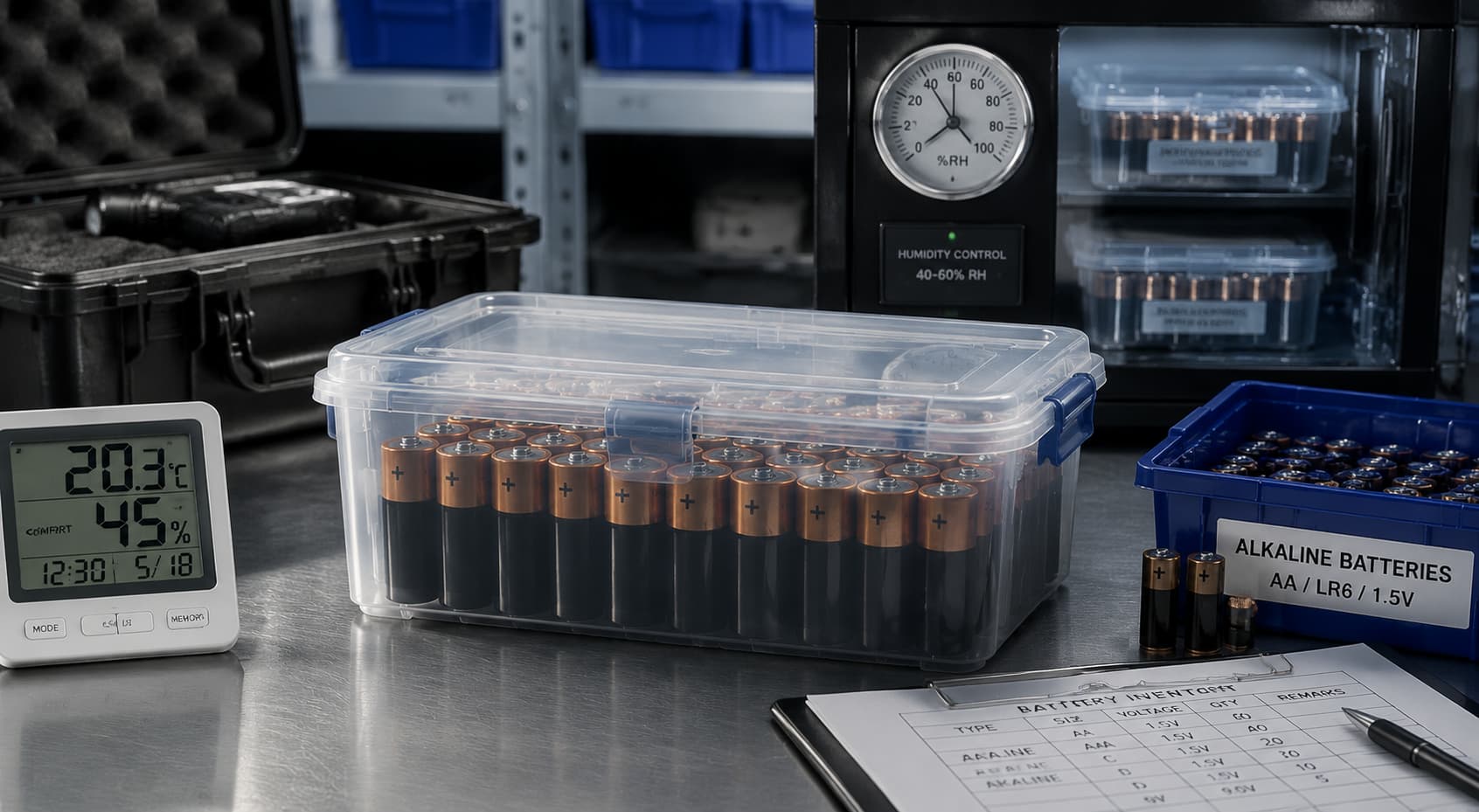
Good storage matters a lot to make alkaline batteries last longer and stay dependable over the years. The conditions you choose for storage affect how well these batteries give out power. This holds true especially if you keep them unused for quite some time. People who deal with big amounts or hold stock for long periods need the right ways to handle them. These methods help stop breakdown, leaks, or drops in how they perform. When you know how to store batteries in a smart way, you get steady energy from them. Plus, it cuts back on trash from batteries that fail too early.
Things in the surroundings decide a big part of how long alkaline batteries keep working while stored away. Now, let's look at the key ones: temperature and humidity. They stand as the top factors. These can either protect the inner makeup of the battery or cause it to wear out.
Shifts in temperature change the steady state of chemicals inside alkaline batteries in a major way. When it gets hot, the reactions inside speed up. This builds up gas, causes leaks, and cuts down on stored power. But when it's cooler, those reactions slow. That helps keep the charge safe. However, it might lower the power push for a short time if you use them in chilly spots. To get the best steady storage, keep alkaline batteries at 10°C to 25°C (50°F–77°F). This setup keeps the chemical work even. At the same time, it lowers strain on the parts within.
Levels of dampness in the air also shape how well alkaline batteries hold their shape during storage. Too much water around can rust the metal ends and the outer covers. This hurts the flow of power and raises the chance of leaks. If you hold the dampness under 65%, it stops the inner liquid from drying up. It also keeps the touch points from rusting. In places with lots of moisture or in factory settings, sealed boxes with drying packs offer a solid shield against water getting in.
To make the life of batteries longer in a real way, workers need to pay attention to steady surroundings. They also must use good ways to sort things out while storing. Let's break down the main steps for that.
Always put alkaline batteries in a cool and dry place. Keep them far from straight sun or hot gear like heaters or machines. When heat hits them, it speeds up the wear that cuts their shelf time short. Stay away from putting them close to things that carry power, such as metal tools or wires. Those might link the ends and spark shorts. Hold the batteries in their first boxes until you need them. This stops chance touches between ends. It also drops the slow loss of their own charge.
How you set up the stored batteries plays a part in keeping them safe and making them last. Place the units straight up. This cuts down push on the seals. Thus, it lowers risks of leaks. Workers ought to keep fresh batteries apart from ones already used. That avoids odd drain ways that might spread leftover power from one to another. Put tags on each box with the buy dates. This backs up smooth turning of stock via FIFO (First In, First Out) setups.
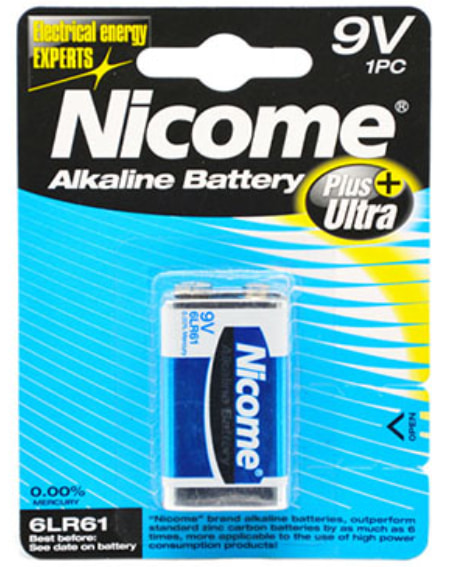
Even when you mean well, some usual slip-ups can harm the life span of alkaline batteries. You must steer clear of them to keep things right. Here are the ones to watch.
Putting varied brands or inner mixes in the same storage box counts as a common error. Every maker's recipe differs just a touch. So, when blended, the way they let out power does not match. This uneven setup boosts the odds of leaks or weaker work as time goes on. Make sure to keep like kinds grouped. That holds even chemical steadiness over your stock lots.
Forgetting to take alkaline batteries out of devices for long stretches marks another key mistake. Even with the power off, lots of gadgets pull a tiny leftover flow. This slowly empties the battery's hold. In the long run, it might make them puff up or spill inner liquid. That hurts the fine wires in the device. Pull batteries from gear before you store for extended times. It stops needless drain and rust buildup.
Ways you manage batteries right before storage affect how well they keep their power hold. If you touch the ends with plain hands, body oils move over. They block the smooth flow of power at those spots. On top of that, trying to fill up these one-use alkaline units brings big safety dangers. Such as splits or blasts from pressure inside.
The thought of keeping things cold to stretch shelf time sticks around with many users. Yet, you need to think it over well before you try. Now, we'll check the facts behind it.
A fridge does ease the chemical moves inside alkaline units. This could hold the charge better. But once you pull them out of the cold, water might build on the shells from the warmer air. That dampness can rust them or cause power jumps if you do not deal with it right. Going to freeze levels hurts more. The inner liquid spreads in below-zero cold. It could break the covers and leave the battery no good.
When a fridge makes sense because the air outside stays too warm in some spots, use tight-seal wraps. Also, let them adjust slowly to normal warmth before you put them to work. In big factory runs that handle thousands, top-notch rooms with set air give better choices. They hold steady heat and dampness. And they skip the water build-up loops that harm goods.
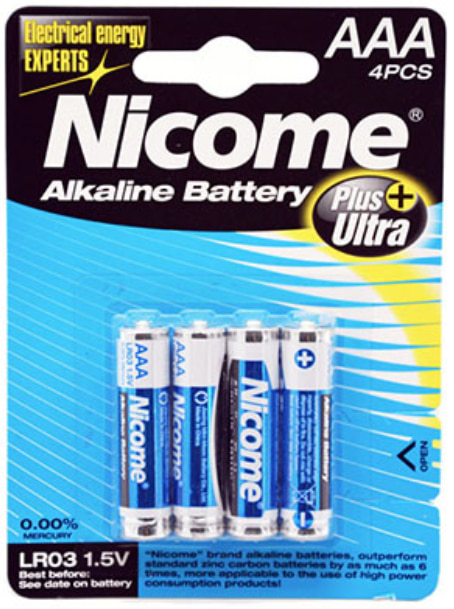
To hold up work levels, you need planned check routines. Mix in exact ways to manage your stock count. This combo keeps everything on track. Let's see how to do the checks and tracking.
Do steady eye scans to spot first hints of rust, bulges, or spills. Catch them early so they do not turn into wide spread-out problems in your storage zones. Tools that measure power, set just right, let workers check the left-over charge. Do this before you hand them out or fit them in devices. It makes sure they work true when put to use.
Put in place FIFO turns to use old stock first. Meanwhile, new groups stay safe for later needs. Keep full online notes with lot codes, buy times, check results, and air setups. This boosts the trail through your supply lines. It proves vital for huge work setups where steady quality counts most.
A solid provider fills a key spot in matching goods quality to your storage care in fields that count on sure power. Jiaxing Minimoon Battery Co., Ltd. shines in making fine alkaline batteries. These suit steady work in varied air setups. The outfit holds firm checks for quality. This keeps sameness over make runs. Its world-wide send-out web aids quick drops for factory buyers and shop mates everywhere. Linking with a known maker like this aids workers to grab sure energy fixes. While it tunes up long-run work flow.
Smart plans for storing batteries right center on holding heat spans from 10°C–25°C. Plus, keep dampness low under 65%. Split new units from used ones to block odd drain ways. Tags help get stock turns spot on. Steady looks-over with FIFO count setups make sure true steadiness in all tasks that need alkaline power. Link with sure providers like Jiaxing Minimoon Battery Co., Ltd. This locks in top goods quality and drawn-out use life. It lets workers push max on how long they perform. All while cutting trash in their work flows.
Expired alkaline batteries may still operate but often exhibit reduced capacity along with an increased risk of leakage; therefore they should always be tested prior to use in precision instruments or sensitive electronics.
Metal containers pose short-circuit hazards if terminals come into contact; non-conductive plastic cases provide safer alternatives for both household users and industrial-scale inventory setups.
When kept under ideal conditions—cool temperatures around 20°C (68°F) with low humidity—alkaline batteries typically retain usable charge between five to ten years depending on brand formulation quality and seal integrity over time.


 Carbon Zinc Battery