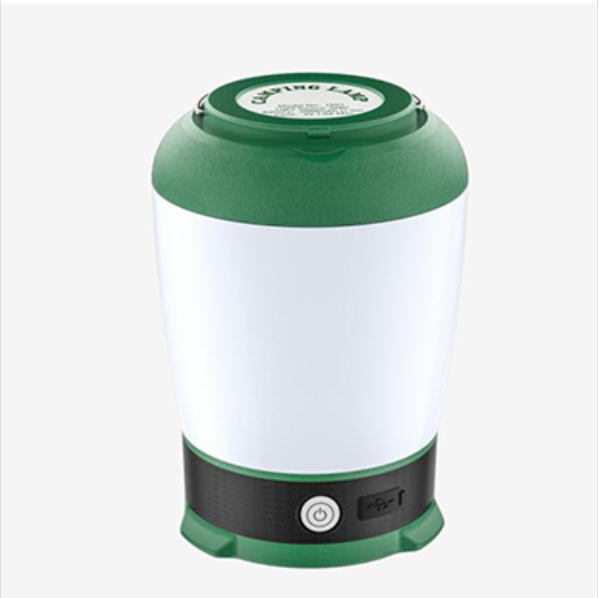
The reliable battery-powered flashlight is an essential component of an emergency supply kit. In the event of a power outage resulting from a natural disaster, civil unrest, or other unexpected event, reliable lighting can help ensure the safety and security of individuals and their property. For working professionals and emergency management planners, the best flashlight can be determined by comparing the various performance metrics including power source, light output, runtime, and environmental resistance. Each of these factors will determine how well a flashlight will function in the absence of normal lighting.
When choosing an emergency flashlight it is important to examine its power supply, its ability to change between light intensity and the construction quality of the flashlight. Examining these criteria will help you to determine how reliable your flashlight will be in case of an emergency, as well as how many different situations it will be able to handle.
The type of battery you use for your flashlight can have a dramatic effect on the performance of the light and the level of maintenance required to keep it going. There are basically three types of batteries that are commonly used, including alkaline, lithium and rechargeable. There are inexpensive alkaline batteries that are found in almost every retail store. These batteries have a limited shelf life, however. Lithium batteries have a very long storage life and will perform well in extremely hot or cold temperatures, making them a great choice for long term emergency supplies. Rechargeable batteries are made to reduce waste and save you money in the long run. However, they are not ideal in situations where you do not have access to an external power supply for extended blackouts or for a long surival trip in the outdoors.
We use lumens to measure the brightness of a flashlight, and when comparing models, it is worth while for an expert to also note the beam distance. A flashlight with adjustable beam setting will often be suited to both general visibility and search applications. It is also important to weigh the brightness against energy requirements to guarantee a sufficient run time before the batteries are completely depleted.
The flashlight must be able to last a long time as well. Even though a battery powered flashlight is fine for emergency use, a well made aluminum alloy body provides a lot of strength for a very light object. In addition, a professional must verify the degree to which a flashlight is waterproof or water-resistant (usually rated from IPX4 to IPX8) and must test this rating for short periods of time during heavy rain or submersion. Additionally, shock resistance must also be considered in order to protect the fragile internal wiring from physical stress in case the flashlight is dropped. The flashlight could suffer damage as well as leave the user with no light when they need it most in the middle of the night.
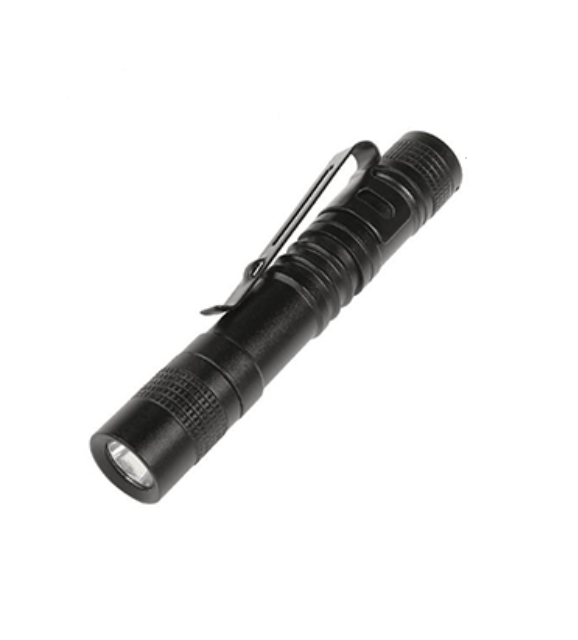
The performance of the batteries in your flashlight will determine how consistently it will work under pressure. A good indicator for the battery’s performance are the capacity metrics and the corresponding discharge characteristics, which give you a good hint how your flashlight will run under different circumstances.
Cells of higher capacity enable a longer operation, but increased weight or dimensions, which might be undesirable in very small emergency-sets. Low self-discharge-cells preserve their stored energy for a long time even when not in use, thus are ideal for spontaneous emergencies. To enable a constant and sufficient bright light, a constant voltage is important, because it does not reduce suddenly, unlike battery power.
Changes in temperature can affect the energy efficiency of a light. In cold temperatures, the rate of the chemical reaction within a battery can decrease, which can result in lower output from the battery. Within existing battery chemistries, Lithium-based cells are able to perform well under a wide variety of temperatures, making them very stable for their electrochemical structure. To keep a light and its batteries running for a long time at peak performance it is best to store them in a average temperature and keep it away from extreme heat and moisture.
The design features of an emergency flashlight, such as ergonomics, size, user interface, and mode versatility, can significantly affect how well it is used during stressful or adverse situations.
The compact flashlight will fit easily into emergency kits, into the glove compartment of your car or into your backpack. Its rough surface is non-slip even with wet hands or with gloves on. The flashlight is very light which means it does not cause fatigue to your hands when you are using it for a longer period of time. Still it is durable enough and can be used many times.
Simple control enables fast operation in any situation. In addition to high beam for optimal illumination, low beam for energy saving and strobe mode for signaling, the light can be easily activated with the simple to use switch. A lockout function prevents the light from being activated by mistake and being left on in a storage compartment until the batteries run out.
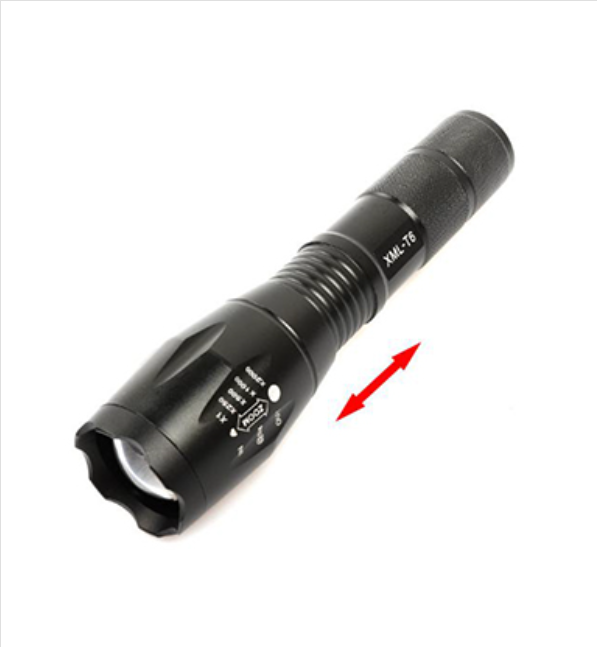
Different emergencies need different kinds of lighting. By matching the key performance indicators of lighting products with their area of application, you can ensure that you are adequately prepared for any kind of emergency.
Indoor navigation during a power outage is best done with medium-brightness flashlights that have a longer runtime than typical flashlights. Rechargeable models, that can be charged with solar chargers or home backup power systems, are especially practical for use during a grid failure.
For outdoor survival use, more light is needed, and the light case must be made of hard wearing materials to withstand scratching and impacts. Waterproofing ensures that the light will continue to function in rain and even in flooding situations where other lights will fail.
A compact flashlight with a magnetic base for hands-free operation can be used for night time repairs. The light can be attached to metal surfaces such as car hoods and doors. Some models also have a red strobe function which makes you more visible to other drivers on the road and at the same time keeps an eye on your battery life for your main beam.
Jiaxing Minimoon Battery Co., Ltd. is a reputable supplier that specializes in high quality battery powered flashlights for professional users from around the world. The products that the company produces utilize the latest in manufacturing to create extremely durable flashlights that are designed to run for a long time on a set of batteries. The flashlights are tested for quality to ensure that they meet the safety standards found around the world and are designed for use in a variety of industries. From construction and industrial maintenance to search and rescue during disasters, these flashlights are used by professionals that require reliable sources of light. By constantly improving upon the type of flashlight battery that is used in their products, Jiaxing Minimoon Battery Co., Ltd. continues to strive to provide the safest possible product through precise engineering.
Selecting an effective emergency flashlight involves analyzing multiple variables including battery chemistry selection, structural durability standards, ergonomic design elements, brightness levels, and environmental resistance ratings. Experts should align these parameters according to anticipated usage scenarios—whether domestic outages, outdoor expeditions, or roadside emergencies—to guarantee dependable functionality when conventional lighting sources fail unexpectedly.
We use Lithium batteries because they have a long shelf life, low self discharge and good performance over a wide temperature range.
Test your flashlights every 3 to 6 months. Test for function, check the batteries and head for signs of corrosion. It is better to occasionally pull out the light to test it rather than to let it sit for years and find it does not work.
A rechargeable version would be effective if there were alternative ways to charge it, for example with solar panels or a portable power bank. Otherwise, in a long lasting power outage, a disposable lithium version would likely be more reliable.


 Carbon Zinc Battery