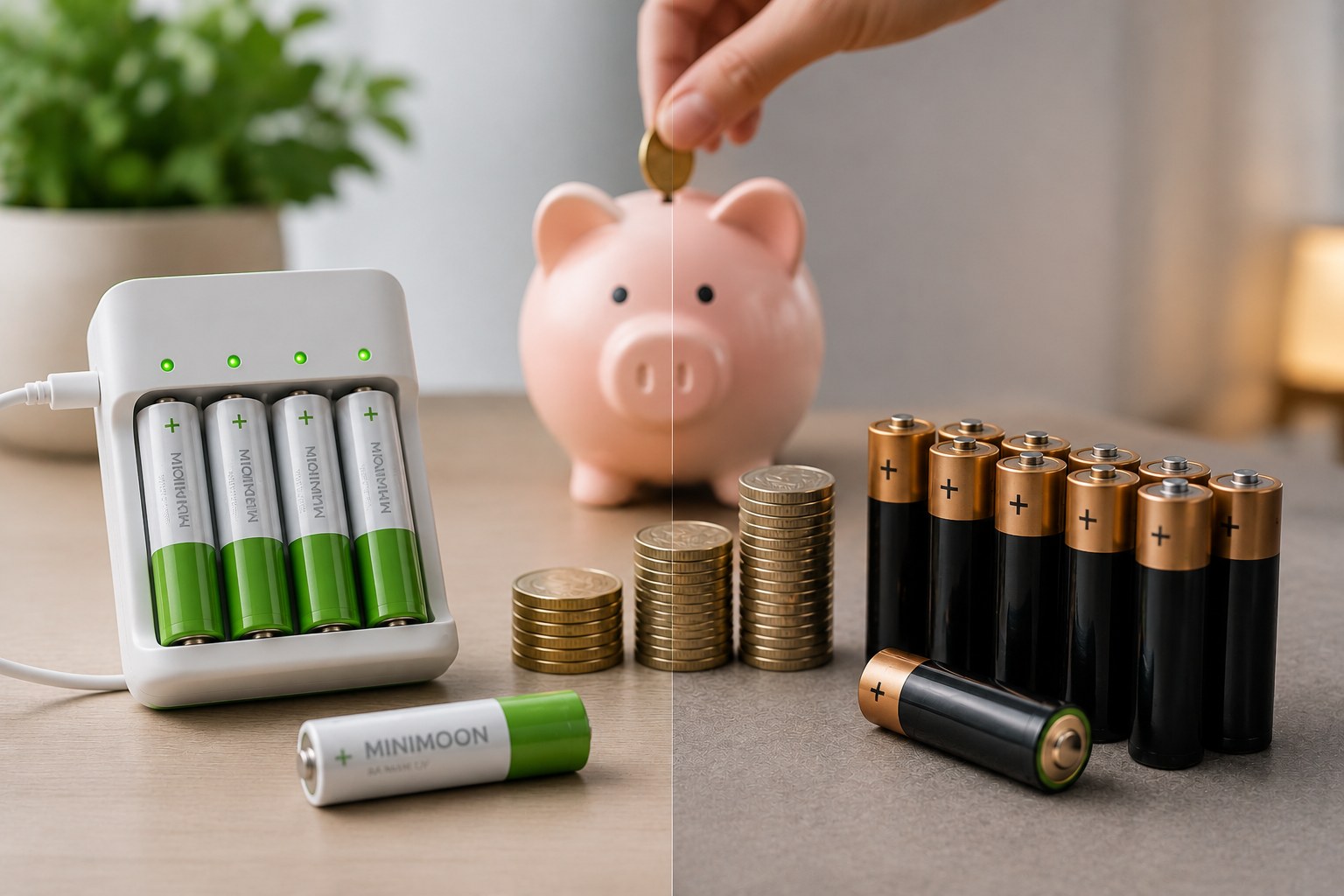
For retailers, electronics brands, distributors, and household buyers, the comparison between USB rechargeable AA batteries and alkaline batteries should not be treated as a simple AA-to-AA price match. A USB AA battery is a rechargeable AA-size product designed for repeated charging, often through a built-in USB port or charging case. Alkaline batteries, however, are a broader primary battery category that can include multiple formats such as LR20, LR14, 6LR61, LR6, and LR03. The money-saving answer depends on the device size, usage frequency, replacement rate, storage needs, charging habits, and whether the buyer is sourcing for retail shelves, OEM bundles, or everyday consumer use.
USB rechargeable AA batteries can save you money if the devices that you use with them are of the AA-size and use up their batteries quickly. The savings is in the repeated charging as opposed to the cost of the batteries at the first purchase.
USB rechargeable AA batteries are suitable for daily or weekly use in game controllers, LED flashlights, toys, microphones, computer peripherals, small fans, inspection lights, etc. Such items would require frequent replacements with conventional batteries.
A practical use scenario is a household using AA-powered controllers several nights a week. Here, USB-powered AA batteries can be recharged instead of throwing away used disposable batteries over and over again.
For evaluation purposes, the consumer can compare the cost of the one time purchase of a USB rechargeable AA set of batteries to the cost of the number of disposable battery replacements that would be used for the same period of time. There will be a point in time where the cost of the rechargable AA’s will equal the cost of the number of replacements of the disposable batteries. If the rechargable AAs cost the same as the number of replacements of the disposable batteries, then it would be break even. However, depending on the frequency of use of the device, it is possible that a disposable alkaline battery may end up being the lowest cost option.
Cost factor | USB rechargeable AA battery | Alkaline battery option |
First purchase cost | Higher | Lower per pack |
Repeat use | Rechargeable | Single-use |
Best fit | Frequent AA-size devices | Low-drain or storage devices |
Charging need | USB port, cable, or case | No charging needed |
Main risk | Charging safety and device compatibility | Ongoing replacement cost |
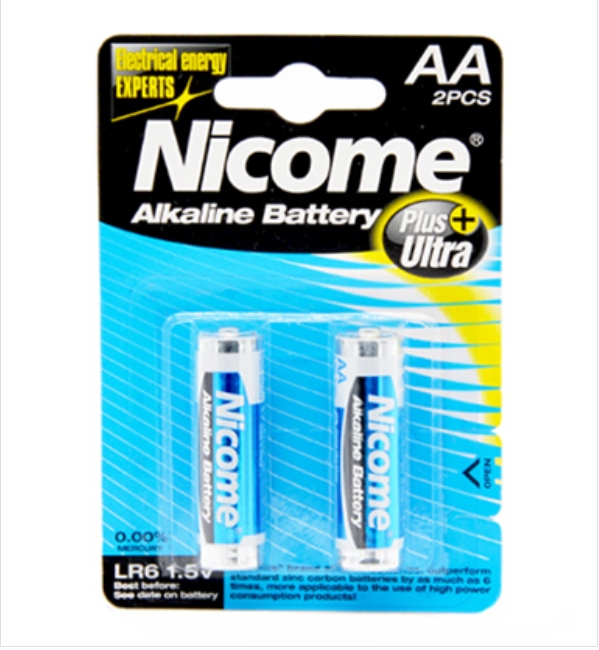
Alkaline batteries are more than a chemistry, they are a category and not just a single size of battery. Thus when searching for the best USB AA battery, one must compare apples to apples and not the entire alkaline category to a single product.
Suppliers of battery usually provide alkaline batteries in various sizes. The alkaline battery category on the official web site of Minimoon lists the followings sizes: LR20, LR14, 6LR61, LR6, and LR03. Note that while LR6, LR03, etc. are all Alkaline batteries of AA-size, LR20, LR14, 6LR61, etc. are used for other kind of appliances. Thus, for AA-size battery price comparison, one shall make sure that the products to be compared are all of AA-size, and also that all sizes to be compared are all that the buyer is looking to buy for, i.e., the buyer is also comparing the battery assortment of the suppliers.
9V, D and AA size Alkaline Batteries are designed for specific applications and have different price points. A USB Rechargeable AA Battery is not a replacement for the larger Alkaline cells or those of different shapes.
So in order to have a savings comparison, it must be tied to AA-compatible devices. Comparison to other alkaline sizes would be a separate comparison.
While rechargeable batteries may be preferred for frequently used low-drain devices, alkaline batteries are best for low-drain, infrequently used, stored for emergency situations items. In such cases, the charging advantage may not be as important.
Alkaline batteries are suitable for a wide range of applications including wall clocks, remote controls, backup lights and emergency radio’s as well as low use seasonal products and household items. Many of these products use AA size batteries but there are also models that use other sizes including AAA, C, D and 9V.
For offices, hotels, schools and facility managers, the easiest way to distribute power will be to use alkaline batteries. Staff can install them immediately and there is no need to manage any charging cycles.
Alkaline batteries are single-use batteries so they have to be replaced often, which makes their cost in the long run of the frequent use to other devices a big disadvantage. According to the U.S. EPA single-use alkaline and zinc-carbon batteries can be safely thrown away with the rest of the household trash in most places in the country but it is also possible that there are special places for recycling such batteries in the area, check local rules. (epa.gov)
For B2B buyers, the disposal convenience does not outweigh the need to calculate repeat purchase cost.
The main criterion when choosing USB rechargeable AA batteries is their behavior when charged using USB. The purely reversible chemical part can be eliminated from comparison.
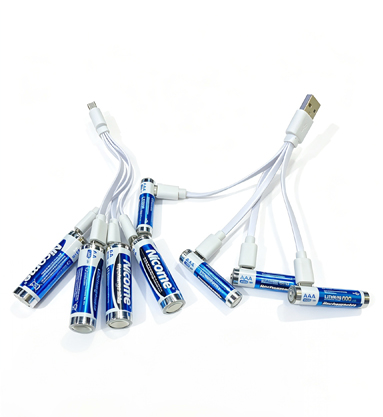
Unlike traditional rechargeable AA batteries, the USB AA batteries are charged via a USB-C or Micro-USB port directly or by charging case for travel, gaming, office use, for inspection kits and for retail bundles.
To truly be informed, one needs to confirm chemistry, rated voltage, real capacity, how it’s charged, charging time, protection, claimed cycle life and how it will work with your particular devices. Many of the lower-cost USB AA Batteries contain lithium-based internal cells that contain voltage regulators. It is thus extremely important to perform sample testing within your target application to confirm all functions and specifications are truly met.
Supplier self-declaration does NOT equal third-party testing or supplier’s regulatory approval for specific markets.
Retailers and OEM buyers want to buy both types of products. But for different shelves, bundles and customer needs.
There are many products such as electronics, gaming controllers, camera accessories, travel equipment, children’s toys, and other household appliances that use USB rechargeable AA batteries. Alkaline batteries are best suited for replacement batteries found in checkout lines, emergency lighting and supplies, office storage such as cabinets and supply rooms, and low-use household products such as remote controls.
Retailers should not lead customers to believe that the USB AA battery can be used to replace all of their alkaline batteries. The USB AA battery is a replacement for certain AA-size use cases.
It is the job of the brand of the device to match the battery strategy with the type of product it is. A wireless controller or flashlight could be set up to use batteries in a USB AA position, but a clock, a remote control or even an emergency device would more likely use alkaline batteries.
For purchasing OEM bundles the following should be tested: voltage behavior, runtime, charging behavior, packaging instructions, transport rules and after sales service.
The Chinese battery manufacturer Jiaxing Minimoon Battery Co., Ltd. presents itself on its website minimoon.com.cn as mercury-free zinc-manganese battery specialist. On the website the company lists several product categories, such as carbon zinc batteries, alkaline batteries, button cells, flashlights and rechargeable batteries. The manufacturer lists a variety of different Alkaline batteries on the website, whereas most competitors list only AA and AAA format. News on the website also mentions sourcing of USB rechargeable USB AA and AAA batteries for buyers who are comparing these rechargeable batteries with normal Alkaline batteries. This supplier profile can be of interest for buyers who want to discuss product range, packaging, private labeling, larger orders and different sales channels with the manufacturer.
USB rechargeable AA batteries can save more money when the target device uses AA-size batteries and is used often. Alkaline batteries should be treated as a wider product category, not automatically as AA batteries. LR6 alkaline batteries may be relevant in an AA comparison, but LR20, LR14, 6LR61, and LR03 serve different size requirements. Buyers should compare cost per use, device compatibility, charging safety, storage needs, and sales channel before choosing. The most accurate sourcing decision starts with battery size, then chemistry, then real usage frequency.
No, alkaline batteries come in several forms. The AA-size alkaline batteries are typically marked as LR6 but there are also alkaline batteries marked as LR03, LR14, LR20 and 6LR61.
No, they are designed to replace only specific compatible AA-size batteries having the same voltage, same size, and designed for use in the same devices.
More AA batteries are saved for frequently used AA battery powered items such as game controllers, toys, flashlights, microphones, and many other portable items.
For low-drain, rarely used, emergency or long-storage applications alkaline batteries may be better.
He needs to check: chemistry, voltage, capacity, charging method, sample performance, safety documents, packaging, labeling, MOQ, lead time and target application.


 Carbon Zinc Battery