Battery importers into the European Union face more than price, packaging and delivery when purchasing batteries on the global market. The EU Battery Regulation creates a number of new obligations for importers including those related to sourcing, product design, labeling, documentation, producer responsibility for waste, collection of waste batteries, market surveillance, and provision of digital information. Importers, distributors, retailers, private label buyers and procurement teams therefore have a number of things to get right in the year leading up to 2026 when the main compliance obligations come into force. A clear Battery importer guide can help them to avoid problems with documentation, incorrect claims and last minute redesign.
The regulation covers many types of batteries but does not contain the same obligations for all products. Therefore it is necessary to check which category of products the battery belongs to, what market function it has and through which sales channel it is bought.
First, identify the product group of portable batteries, starting-lighting-ignition batteries, light means of transport batteries, electric vehicle batteries or industrial batteries. Small alkaline, zinc carbon, lithium button cells, rechargeable battery packs, power tool batteries and appliance batteries all belong to different workflows for importers. Check the supplied information of suppliers about the chemistry, voltage, capacity, dimensions, the intended use of the batteries and whether they are sold separately or as part of other equipment.
An importer is not only a buyer. In the EU supply chain, economic operators may include manufacturers, importers, distributors, fulfilment service providers, and producers under extended producer responsibility rules. The company placing batteries on the EU market should check registration, conformity documents, labelling, language requirements, and post-market cooperation duties. Contract terms should say who provides test evidence, declarations, product data, and corrective action support.
The EU Battery Regulation has come into force in 2023 step by step. Already this year, many obligations for importers apply gradually, so that already in 2026 it is necessary to set up the required systems in order to implement the even more restrictive requirements in a manageable way in the following years.
The file you need to manage for procurement of industrial batteries consists of product specifications, information on the battery’s chemistry, on the materials used, on restricted substances, on the battery’s capacity, on the safe handling of the battery, on packaging, on the batch number, on contact data of the supplier, on an invoice description and on transport documents. For rechargeable lithium batteries also the UN 38.3 test results, the shipping classification and the packaging instructions. Self-declarations by the supplier need to be kept separate from test reports and from official certificates.
During design discussions all aspects regarding removability, replaceability, safety, durability, labeling of capacity, positioning of QR code, indication of recycling, required space for markings have to be considered. From 2027 batteries that are incorporated in products will meet stronger expectations regarding removability and replaceability than before. Importers should not wait until tooling has been completed in order to check if aspects like battery access, screws, adhesives or sealed housings could pose problems for compliance.
The Battery Passport is probably the most known part of the regulation. In practice, the Battery Passport does not cover all of the billions of small batteries in the market place but it does create a digital trail of evidence for higher risk or higher value batteries.
Importers of light means of transport (LMT) batteries, industrial batteries above a certain capacity threshold and electric vehicle batteries will from 18 February 2027 need to obtain a Battery Passport. The relevant requirements for e-bike batteries, scooter batteries, energy storage systems and industrial rechargeable batteries can be mapped already now. Importers should start gathering data required for the Battery Passport as this data is dependent on information suppliers can provide regarding the materials used, testing data and product identifiers.
Useful preparation includes model identification, manufacturer details, battery chemistry, carbon footprint data where applicable, recycled content information where required, performance and durability information, safety data, due diligence records, and end-of-life instructions. Not every field applies to every battery type. The risk is assuming the supplier can create complete digital data after shipment. Buyers should add data responsibility, update timing, and confidentiality terms to supply agreements.
Compliance costs extend far beyond the cost of laboratory testing, including aspects such as product redesign, data collection, waste disposal, relabelling, storage delays, import questions from customs and customer service.
Common hidden costs include sample retesting, label artwork changes, QR code changes, translated manuals, EPR registration, recycling fees, consulting, product file management, third-party verification, transport documentation, inspection, and replacement stock. Industrial buyers should also consider spare parts, shelf life, leakage resistance, carton strength, and storage conditions. A low battery price may not be attractive if the supplier cannot support records.
Supplier review: chemistry control, supplier’s incoming material records, production traceability, capacity testing, leakage testing, storage of aging materials, packaging safety, batch marking, document delivery time and complaint handling. How changes of cell type, electrolyte, casing, label material, etc. are communicated. A change-control rule must be approved by the importer before mass production and not after the first batch has arrived.
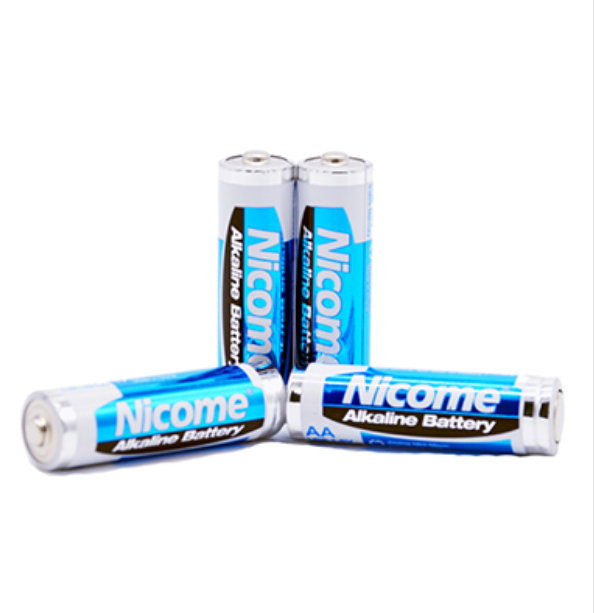
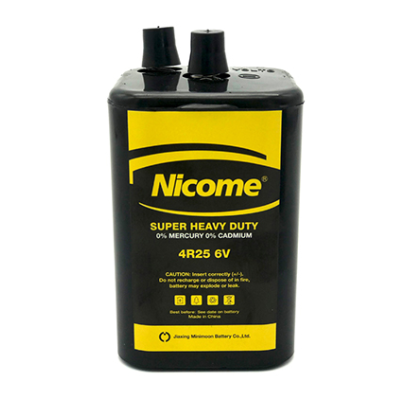
Jiaxing Minimoon Battery Co., Ltd. is China battery supplier of Carbon zinc batteries, alkaline batteries, button cell batteries, flashlight and more battery products are offered by the China battery manufacturer. For the upcoming EU Battery Regulation 2026, the battery supplier can have discussions with buyers regarding Battery selection, Battery specifications, Battery packaging, Battery labeling, Battery sample approval, relevant Battery documents and other import requirements. On Jiaxing Minimoon Battery Co., Ltd.’s website, buyers can get information about the company’s factory, battery quality control and export. By comparing various Battery manufacturers, this type of China battery suppliers help importers compare different Battery products which can be retailed, wholesaled or used for specific projects. Buyers must still compare the detailed specification of battery products, relevant battery compliance documents, battery prices, delivery terms and registration duties and compare after-sales services provided by different battery manufacturers.
Preparing 2026 EU Battery Regulation requirements for 2026 as a procurement and compliance project. Importers have to define correct Harmonized System code for the imported goods, determine their position in the supply chain, request and collect relevant technical information from suppliers, prepare labels and check if batteries and accessories are removable. Furthermore, importers have to check if suppliers fulfill their obligations regarding producer responsibility and if they are able to provide required digital information in future. The Battery Passport will be most relevant for higher capacity industrial, LMT as well as car batteries from 2027 on. Importers have to include quality of documentation, ability of supplier to provide traceability, appropriate packaging as well as change control in their decision for supplier selection besides price. A structured Battery importer guide helps to avoid delays of shipments, unfirm statements by importers and expensive redesigns.
Many portable household batteries are subject to labeling requirements. The extent of labeling requirements however depends on the used chemistry, application, marketing, and whether the battery is sold as single item or as part of a product.
No. The Battery Passport refers to the specified battery categories from 2027 on. However, data systems and supplier contracts are being prepared already for the year 2026.
Ask for specs, chemistry, capacity, safety notes, material lists, transport documents, packaging details, labelling files, batch numbers and relevant test reports.
No. A supplier declaration is the supplier’s statement. Separate verification of product certification or third-party testing with the issuing body and their scope.
Start with classification, written specifications, sample approval, verified documents, clear labelling, EPR planning, supplier change-control rules, and periodic review of EU implementation updates.


 Carbon Zinc Battery