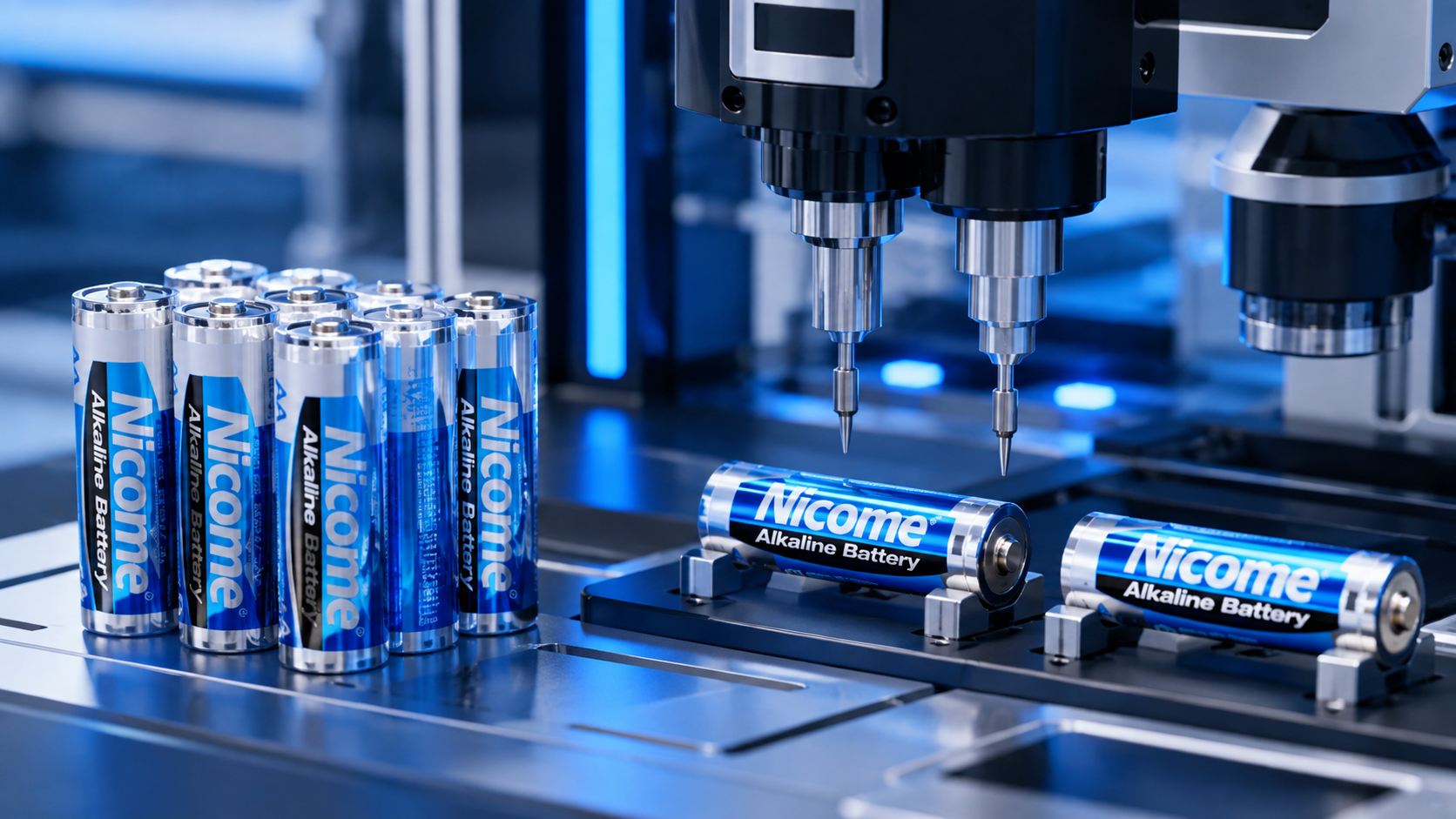
When it comes to buying them in bulk, the question that arises is usually not about the cost per piece. After all, a battery is a commitment to the customer, the dealer, and the end-user. That is why its unstable performance can be incredibly disappointing, especially after the production line. Several pieces might seem fine during the trial batch, but the characteristics of an entire production run are determined by materials, production control, and testing. Prior to making an order, it is crucial for any importer or dealer to understand what battery testing procedures are used by the manufacturer to ensure the quality of their production. This way, additional expenses and losses due to poor quality can be prevented.
A battery is a low-complexity product, but the quality of each battery depends on numerous factors present inside the battery. When an average buyer purchases a small number of batteries, they are primarily interested in whether a battery will work properly with the specific device they intend to use. Meanwhile, the question of large-scale buyers is whether the supplier can provide the same quality level of the product, which can be critical for both the distributor’s reputation and income.
Before approving a large order, experienced buyers usually pay attention to:
l Whether battery performance remains consistent between batches;
l Whether the manufacturer has a clear inspection process;
l Whether production problems can be identified before shipment;
l Whether the battery design matches the intended application.
Quality testing is not only a final check before delivery. It is part of the entire manufacturing process that helps control product stability from raw materials to finished batteries.
Different battery applications require different performance characteristics. A battery used in a remote control, toy, flashlight, or household device may have different requirements in terms of discharge speed and operating time.
For this reason, professional buyers usually review several performance indicators rather than relying on one specification.
Voltage is one of the basic measurements used during battery inspection. It shows whether the battery meets the expected electrical requirements.
However, voltage alone does not explain the complete performance of a battery. Two batteries may show similar voltage readings while providing different results during actual usage.
For example, a battery that maintains stable output during discharge may provide a better user experience than one that loses power quickly after initial use.
Voltage testing helps manufacturers identify abnormal products and maintain consistency within a production batch.
Capacity is often one of the first specifications buyers compare when selecting batteries. It indicates how much energy a battery can provide under specific testing conditions.
However, real application performance depends on more than the capacity value. Factors such as device power consumption, discharge conditions, and storage time can influence actual operating results.
For buyers, capacity testing is useful because it provides a reference for comparing products and selecting batteries suitable for different applications.
Discharge testing provides information about how a battery performs while supplying power.
This test is particularly useful because users rarely operate batteries under ideal laboratory conditions. The battery needs to continue working after installation, during storage periods, and throughout normal device operation.
A stable discharge curve can indicate whether a battery is suitable for applications requiring predictable performance.
Leakage is one of the quality concerns frequently considered in battery purchasing.
A leaking battery may damage electronic equipment and create additional costs for distributors and customers. Leakage performance is affected by battery structure, sealing methods, materials, and manufacturing accuracy.
For bulk buyers, understanding how a manufacturer controls leakage risk is an important part of supplier evaluation.
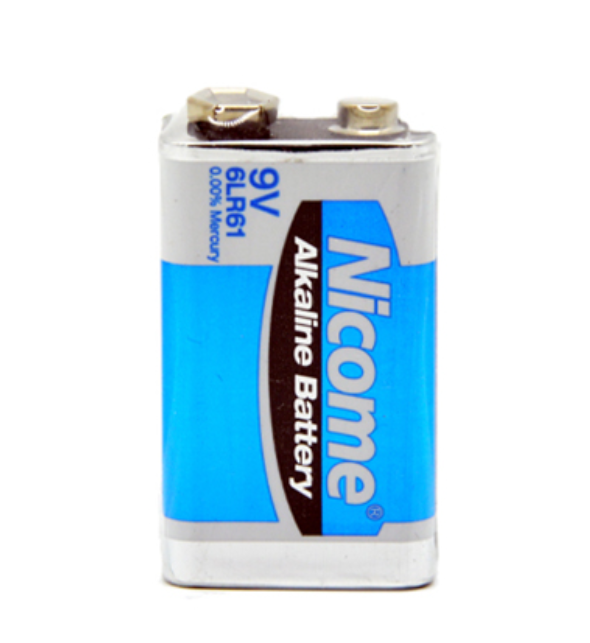
Battery quality is created during production, not only confirmed after manufacturing is completed. A strong inspection system usually starts with material control and continues through every production stage.
The materials used in battery production influence electrical performance and storage stability.
Differences in raw materials may lead to changes between batches. For this reason, manufacturers need procedures to check incoming materials before they enter production.
For buyers, a supplier’s approach to material management can show how seriously the factory treats consistency.
Battery manufacturing includes multiple steps, and each step can influence the final product.
Assembly accuracy, sealing processes, and production conditions all contribute to battery performance. Small variations may affect areas such as internal resistance, discharge behavior, and long-term stability.
A manufacturer with controlled production procedures is better positioned to maintain consistent output during repeated orders.
Before shipment, finished batteries are inspected to confirm that products meet required specifications.
Common inspection areas include:
l Product appearance;
l Electrical performance;
l Packaging condition;
l Batch information.
For international buyers, finished product inspection provides an additional quality checkpoint before products enter overseas markets.
Choosing a battery supplier requires more than reviewing a product catalog. Buyers need to understand how the manufacturer manages quality during daily production.
Several questions can help during supplier evaluation:
A supplier should be able to explain what types of inspections are performed during production and before shipment.
The specific testing methods may vary depending on battery type, but buyers need clear information about how performance is checked.
For distributors, consistency between shipments is often more important than the performance of one sample.
A battery supplier needs to maintain stable production standards so customers receive similar product quality over time.
Manufacturing issues can happen in any industry. What matters is whether the supplier has a process for identifying problems, analyzing causes, and improving production.
A transparent quality management approach helps build confidence between buyers and manufacturers.
Price is an important part of purchasing decisions, but battery buyers usually need to consider the overall value of cooperation.
A supplier evaluation often includes several areas:
A manufacturer’s production experience affects its ability to support different order volumes and product requirements.
Buyers may consider factors such as product categories, production capacity, and experience with international customers.
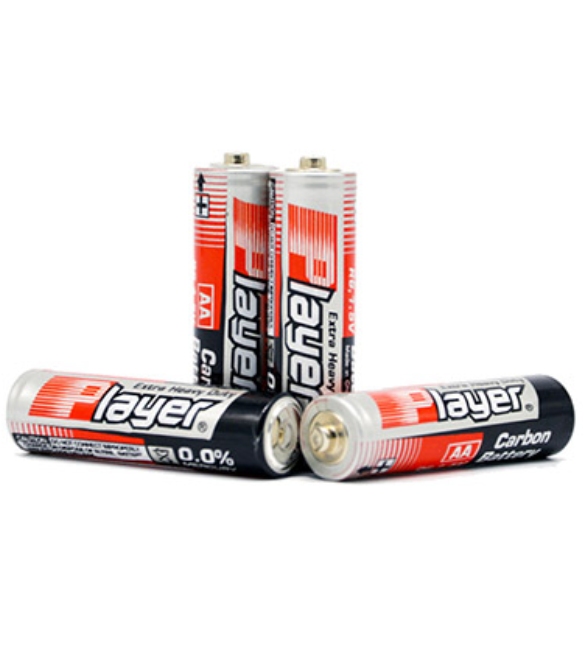
Different markets may require different battery solutions. Some customers may need alkaline batteries, while others may require carbon zinc batteries, button cell batteries, lithium batteries, or rechargeable batteries.
A supplier with multiple product options can provide more flexibility for distributors and brands.
For companies building their own battery brands, OEM capability can be an important factor.
Packaging requirements, product specifications, and market positioning may require customized solutions from the manufacturer.
Long-term cooperation should be based on clear communication. Therefore, product specifications, delivery schedule, and quality control policies should be discussed before production starts.
A stable supply relationship improves the buyer’s performance by helping manage the stock more efficiently and serving the end-customers better.
For international distributors, how to find a reliable battery supplier is essential. Generally, we should consider the following factors: production capacity, product quality, and flexibility of cooperation mode. Jiaxing Minimoon Battery Co.,Ltd. is a professional battery manufacturer, which can supply alkaline batteries, carbon zinc batteries, button cell batteries, lithium batteries, rechargeable batteries and other products. The company provides battery supply solutions and OEM cooperation services for customers with different market requirements. By focusing on production processes and quality management, Jiaxing Minimoon Battery Co.,Ltd. supports overseas buyers looking for stable battery products for distribution and commercial applications.
Quality testing plays an important role in bulk battery purchasing. Tests such as voltage, capacity, discharge, and leakage assessments are crucial to ensure that buyers get the desired merchandise when purchasing in bulk. In addition to test results, manufacturing control and foreign supplier’s capabilities should be evaluated to secure stable product qualification in the long run. The outlined procedure will enable importers, distributors, and brand owners to establish fruitful relationships with manufacturers and minimize the chances of acquiring substandard goods.
Samples provide useful information, but they cannot fully represent mass production. Buyers also need to understand the manufacturer’s quality control process and batch consistency management.
Voltage testing, capacity testing, discharge performance evaluation, and leakage resistance checks are commonly reviewed because they directly influence battery reliability in practical applications.
Performance differences may come from variations in materials, manufacturing processes, storage conditions, and internal battery design, even when product specifications appear identical.
Buyers can request product specifications, testing procedures, inspection methods, packaging details, and production information to better understand supplier capability.
No. Buyers also need to consider quality consistency, manufacturing experience, customization capability, communication, and long-term supply reliability.


 Carbon Zinc Battery