
LR14 C alkaline batteries are straightforward to specify electrically, but wholesale purchasing becomes more complicated once pack format, carton quantity, destination channel, stock turnover, and repeat-order timing enter the discussion. A distributor supplying institutional users may prefer a different pack structure from a retailer selling batteries from peg displays, even though both are buying the same C-size format. For Purchasing Managers and importers, the useful question is therefore not simply how many cells to order, but how those cells will move from factory carton to warehouse, retailer, and end user. Planning the commercial configuration before quotation helps reduce excess packaging, awkward carton quantities, and inventory that moves more slowly than expected.
An order quantity only becomes meaningful when the buyer knows how the batteries will be sold. A distributor moving full inner boxes to maintenance contractors has a different requirement from a retailer selling two cells at a time, and using the same purchasing logic for both channels can create unnecessary handling later.
Retail programs are influenced by pack presentation, units per selling pack, shelf space, and replenishment frequency. Institutional supply is usually less concerned with display and more concerned with easy case handling, predictable consumption, and simple stock control. The battery itself may be unchanged, but the commercial unit is different.
That distinction should be settled before an RFQ is sent. If the buyer chooses order volume first and packaging second, the resulting carton count may not match actual downstream demand. A distributor can end up breaking cartons manually, repacking stock, or holding more retail packs than the customer network can absorb.
For buyers still defining the assortment, reviewing an alkaline battery category can help establish which sizes belong in the purchasing program before detailed quantities are assigned.
The cleanest approach is to work backward. Start with the number of retail packs or institutional units expected to move during the planned sales period, then convert that figure into inner boxes and export cartons.
This prevents a common purchasing error: choosing a round battery quantity that looks convenient on a spreadsheet but produces an inconvenient number of finished packs. The final order should make sense at every level—cell, retail pack, inner box, carton, and shipment.
Packaging is not a cosmetic decision once the order reaches commercial scale. It affects the number of selling units created, carton efficiency, warehouse handling, and how easily stock can be allocated to different customers.
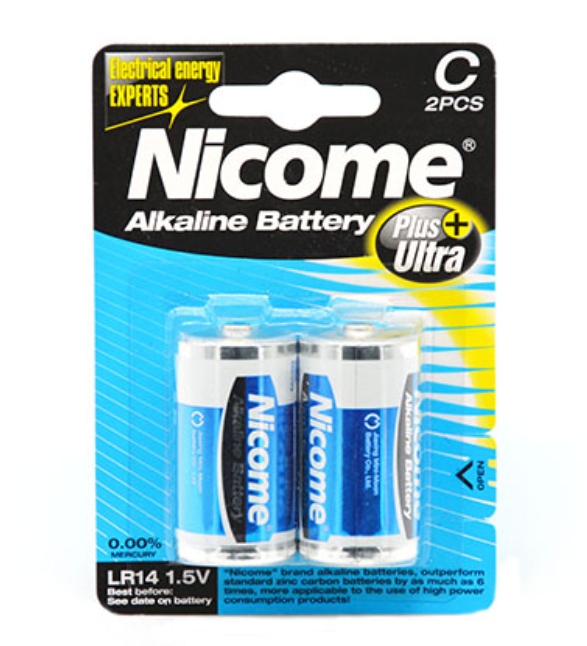
Blister cards are commonly associated with retail presentation because they separate the product into ready-to-sell packs and provide space for consumer information. Shrink packs can be simpler where visual merchandising is less important or where buyers want a more compact commercial pack.
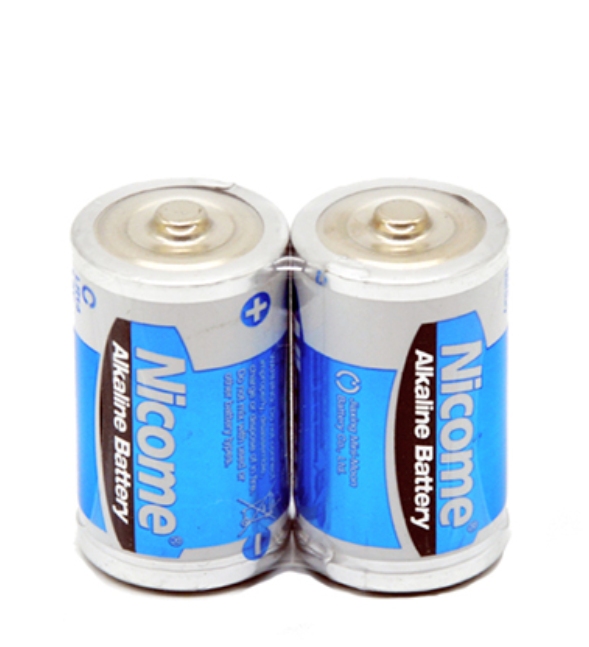
Neither format is automatically better. A retail chain may value ready-to-display packaging enough to accept lower carton density, while a wholesaler supplying professional users may prefer simpler packs if they reduce handling or packaging volume.
The purchasing team should therefore decide what happens immediately after the carton is opened. If the stock goes directly onto a retail hook, presentation matters. If it moves into a storeroom or service department, the priorities may be different.
A lower per-cell quotation can be misleading when pack configuration differs. Printing, blister materials, shrink film, inner-box quantities, carton dimensions, and packing labor all influence the commercial offer.
For this reason, two LR14 quotations should only be compared after pack format has been standardized. Otherwise, the buyer is comparing two different distribution systems rather than two equivalent battery offers.
When several primary battery sizes are sourced together, a broader battery product range can also help buyers check whether the same packaging logic can be applied across the planned assortment.
Carton data matters because batteries are dense products. A commercial pack that appears compact at the retail level can become surprisingly heavy once hundreds of units are consolidated into export cartons.
A larger carton quantity reduces the number of cartons required for a given order, but it also increases the number of batteries tied to a single handling unit. Warehouse staff, distributors, and downstream customers may not all want the same case size.
A buyer supplying many small stores may prefer cartons that are easier to divide across accounts. Another business shipping stock to regional warehouses may favor higher carton density to reduce the number of cases handled.
There is no universal optimum. The right carton configuration depends on how orders are received, stored, picked, and redistributed.
Purchasing teams sometimes compare product price first and ask for packing data later. For dense goods, that sequence can distort the landed-cost discussion.
Carton dimensions affect pallet arrangement and warehouse utilization, while gross weight influences handling and transport planning. These values should be reviewed before the final shipment quantity is confirmed, especially when several battery sizes share the same order.
A useful internal purchasing sheet can therefore keep only a few fields together: retail pack, units per inner box, units per carton, carton dimensions, carton weight, and expected carton count. That is enough to reveal whether a proposed configuration fits the buyer’s logistics workflow.
C-size batteries serve a more specific application range than many smaller household formats, so stock planning deserves attention. Large orders can look efficient at the purchasing stage but become expensive when cartons remain in the warehouse far longer than expected.
A distributor does not need to stock every available battery format simply because the manufacturer offers it. LR14 C batteries should earn their place in the assortment through known customer demand, existing device applications, or a clear sales program.
Historical orders are particularly useful. If C-size batteries sell mainly to a small number of institutional accounts, purchasing can be tied more closely to their consumption patterns. If demand is spread across retail channels, reorder frequency and pack preference become more important.
This keeps the order tied to actual use rather than to a desire for a visually complete catalog.
Higher volume may reduce the quoted unit cost, but the saving becomes less attractive if inventory turns slowly. Working capital remains tied up, packaging can become outdated, and later orders may be delayed because older stock still needs to move.
A first order should therefore establish a realistic baseline. Once reorder intervals become visible, the buyer can increase volume with more confidence. For mature programs, forecast windows should be reviewed against supplier lead time rather than assuming every reorder needs the same quantity.
By the time an order reaches approval, the technical battery requirement and the commercial pack should be treated as one specification. Leaving packaging, quantity, or shipment details open at this stage creates room for avoidable revisions.
The approval record should identify battery size and chemistry, pack format, units per pack, order quantity, artwork where relevant, carton configuration, and any agreed inspection requirement. If one item changes, the effect on the rest of the order should be checked.
This matters particularly for repeat purchasing. A team may remember that the previous order was “LR14, same as before,” while forgetting that the retail pack or carton arrangement changed during the last production run.
A concise written specification is more reliable than relying on past emails.
Once the first shipment has been accepted, later orders should refer back to the approved configuration rather than rebuilding the purchasing file from memory. That makes price comparisons more useful because the buyer can see whether the quotation changed while the specification remained constant.
Where a new pack format is being considered, treat it as a controlled change. The battery may be technically identical, but the number of retail units, carton quantity, warehouse handling, and landed cost can all shift.
Jiaxing Minimoon Battery Co., Ltd. manufactures mercury-free zinc-manganese batteries for international wholesale and distribution programs. For C-size alkaline sourcing, the company lists an LR14 2PCS blister-card version and an LR14 2PCS shrink-pack version, allowing buyers to review two different commercial packing structures for the same battery format. The published pages provide inner-box quantity, carton quantity, carton dimensions, carton weight, and discharge information. These details give purchasing and logistics teams a concrete basis for comparing how packaging choice affects order planning before quotation, sample approval, and shipment quantities are finalized.
Planning an LR14 C alkaline battery order requires more than choosing a cell quantity. Sales channel, retail pack, carton configuration, warehouse handling, and expected stock turnover all influence whether the order will remain practical after it arrives. Buyers can reduce excess inventory and unnecessary repacking by working backward from downstream demand, comparing quotations on the same packaging basis, and keeping carton data inside the purchasing specification. Before release, the technical battery requirement and the commercial packing arrangement should be confirmed together so repeat orders remain consistent.
Retail packs are usually the better starting point because they reflect how stock will actually be sold. Buyers can then convert the required number of packs into inner boxes, cartons, and total cells for purchasing and logistics planning.
No. Blister packs can support retail display and consumer information, but shrink packs may suit channels where presentation matters less. The correct choice depends on downstream handling, merchandising, packaging cost, and customer expectations.
Batteries are relatively dense goods, so carton weight affects warehouse handling, pallet planning, transport arrangements, and downstream distribution. Reviewing weight together with carton quantity gives a more realistic picture of logistics requirements.
Use existing customer demand, reorder history, sales-channel requirements, and supplier lead time to set the first order. Larger quantities should follow proven turnover rather than being justified only by a lower quoted unit price.
Keep the approved chemistry, size, pack format, units per pack, artwork where applicable, carton configuration, quantity basis, and inspection requirements together in one controlled purchasing record for future repeat orders.


 Carbon Zinc Battery